
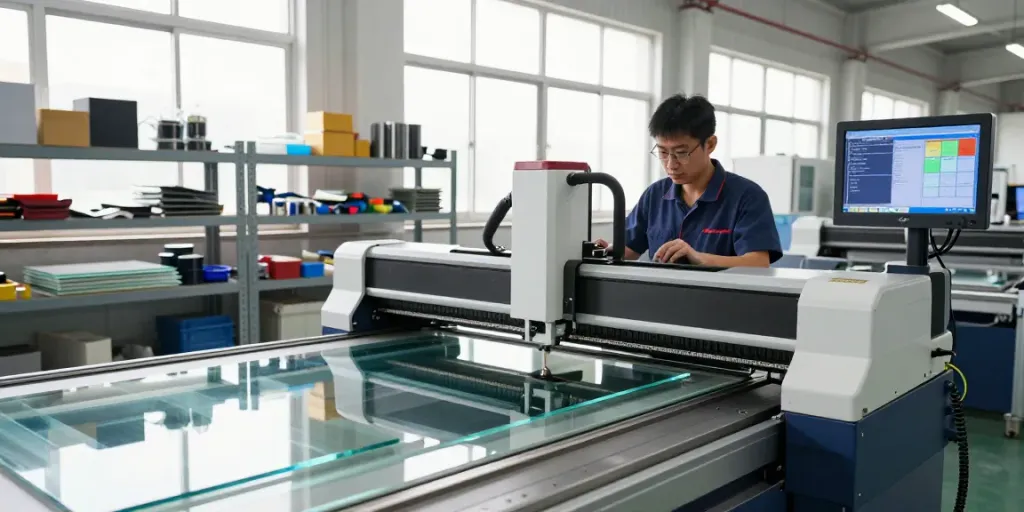
The Evolution of Glass Cutting Machines
The journey of glass cutting machines has been nothing short of revolutionary, evolving from rudimentary hand tools to sophisticated automated systems. Over the decades, technological advancements have significantly transformed the glass-cutting landscape, allowing for higher efficiency, precision, and safety in industrial applications. The glass cutting machine manufacturer industry has played a pivotal role in this evolution, setting new standards for quality and performance.
Historical Overview of Glass Cutting Technology
Historically, glass cutting was performed using simple handheld tools, with artisans relying on their skills and techniques developed over centuries. The first significant breakthrough occurred in the late 19th century with the invention of the glass cutting wheel, which allowed for more precise cuts. As industries grew, especially during the industrial revolution, the demand for more efficient cutting methods led to the introduction of early mechanical glass cutters. These early machines were often rudimentary but laid the groundwork for the advanced machinery used today.
Current Trends in Glass Cutting Machinery
As of 2026, the glass cutting industry is witnessing significant trends driven by automation and technology integration. Many manufacturers are now incorporating CNC (Computer Numerical Control) technology, which allows for precise control and programming of cutting patterns, vastly improving efficiency and reducing waste. Additionally, advancements in software have enabled real-time monitoring and adjustments during the cutting process, further enhancing productivity. This shift towards smart manufacturing is becoming essential for any glass cutting machine manufacturer looking to remain competitive in a rapidly changing market.
Future Innovations in the Glass Cutting Industry
Looking ahead, the glass cutting industry is poised for even more innovations. With the increasing integration of artificial intelligence and machine learning, future machines will likely have self-diagnostic capabilities and predictive maintenance features. This will not only reduce downtime but also ensure that machines operate at peak performance. Furthermore, sustainable practices are becoming a focal point, with manufacturers exploring greener cutting processes and materials.
Understanding Your Needs
When investing in a glass cutting machine, it is crucial to understand specific operational needs and challenges. Each business operates under different parameters and requires machines that can adapt to these demands effectively.
Common Challenges Faced by Glass Cutting Machine Manufacturers
Some of the most prevalent challenges include maintaining consistent quality in production, managing operation costs, and addressing the skill gap in the workforce. Manufacturers must also navigate the complexities of supply chains, particularly with the ever-changing demand for different types of glass products.
Identifying the Right Machine for Your Business
Choosing the appropriate machine involves assessing various factors such as production volume, types of glass being processed, and the level of automation required. For instance, smaller shops might benefit from compact, manual options, while larger operations may require high-capacity, fully automated lines to keep up with demand.
Key Features to Look for in a Glass Cutting Machine
- Precision: Look for machines with advanced cutting technology that offers high accuracy.
- Automation: Automated systems can significantly increase productivity by reducing manual labor.
- Durability: Given the harsh working conditions, machines should be built to withstand wear and tear.
- Support and Maintenance: Reliable customer support and easy access to parts are crucial for minimizing downtime.
Choosing a Reliable Manufacturer
Selecting the right glass cutting machine manufacturer can determine the success of your operations. A reputable manufacturer not only supplies quality machines but also provides ongoing support and service.
Evaluating Glass Cutting Machine Manufacturers
When evaluating potential suppliers, consider criteria such as industry experience, customer reviews, and the range of products offered. Establishing a relationship with a manufacturer who understands the market and has a proven track record can greatly benefit your business.
Importance of Customer Support and Service
Quality customer service is vital in the glass cutting industry. Manufacturers that offer comprehensive training, maintenance, and troubleshooting support can help you get the most out of your investment. Quick response times to service requests can also minimize operation disruptions.
How to Compare Different Manufacturers
Create a checklist of key features and support options you need, and compare potential manufacturers based on these metrics. It's beneficial to visit their facilities or arrange demonstrations when possible, as seeing machines in action can provide valuable insights into their capabilities and performance.
Best Practices for Operating Glass Cutting Machines
Even the best machines require skilled operation to maximize their effectiveness. Implementing best practices can significantly enhance production outcomes.
Safety Measures in Glass Cutting Operations
Safety should always be the top priority in glass cutting operations. Ensure that all operators are trained in safe handling and operation practices. Regular inspections and adherence to safety protocols can prevent accidents and injuries.
Maintenance Tips to Extend Machine Lifespan
To ensure longevity and performance, schedule regular maintenance checks. This includes cleaning components, lubricating moving parts, and replacing worn tools as needed. Keeping accurate records of maintenance can also help in troubleshooting potential issues.
Optimizing Efficiency in Production
- Train operators to use machines effectively and safely.
- Implement lean manufacturing principles to reduce waste and enhance workflow.
- Utilize data analytics to monitor performance and identify areas for improvement.
Future Predictions for the Glass Cutting Industry
The glass cutting industry is continuously evolving, driven by technological advancements and changing market needs. The following predictions outline the likely trajectory for the coming years.
Emerging Technologies to Watch in 2026
In the near future, we can expect to see more sophisticated automation, including robotics integrated into glass handling and cutting processes. Additionally, innovations in material science may lead to smarter glass that can self-repair or enhance energy efficiency.
Market Growth and Opportunities for Manufacturers
As the demand for glass products continues to rise—particularly in construction and automotive sectors—there are ample opportunities for growth. Manufacturers who invest in R&D to develop new technologies will likely gain a competitive edge.
Expert Insights on Industry Trends
Industry experts predict that the focus on sustainability will intensify, pushing manufacturers to innovate with eco-friendly practices. Furthermore, the integration of the Internet of Things (IoT) is anticipated to revolutionize how machines communicate, enabling more streamlined operations and real-time data access.
What are the key factors to consider when selecting a glass cutting machine?
Selection factors include production capacity, types of cuts needed, level of automation desired, and the machine's overall reliability and durability, alongside post-purchase support.
How do glass cutting machines enhance production efficiency?
By automating complex tasks and providing precise cuts, glass cutting machines reduce material waste and downtime while increasing output and quality consistency.
What are common safety practices for using glass cutting machines?
Common practices include wearing appropriate protective gear, following operational protocols, conducting regular safety training, and ensuring guards and safety devices are in place.
What technological advancements should manufacturers anticipate in 2026?
Manufacturers can expect advancements in AI integration for predictive maintenance, enhanced material handling through robotics, and improved cutting technologies that emphasize precision and sustainability.
How can manufacturers ensure quality control in glass cutting operations?
Implementing rigorous quality checks, using precise measurement tools, and maintaining a feedback loop between production and design teams can ensure high-quality output.